The young mother in the night
I remember it as if it were yesterday. Our team had just come back to the parish house from a celebration. Everyone was still cheerful. It was a stormy, rainy night, thunderstorms hung in the air, and now and then huge flashes of lightning tore across the sky.
After we arrived, at that late hour, a moped approached and stopped with screeching tyres in front of our lodging. On it were the rider and a young woman with a baby. It was shortly before eleven, and everyone on our team was about to go to bed.
I watched Mary, our housekeeper, go out to the night visitors to ask why they had come. There was a hurried discussion, but I could not understand a word — it was held in the local language, Kumam. After a few moments the pair disappeared again into the dark, rainy night, as quickly as they had come.
Five hours on a moped
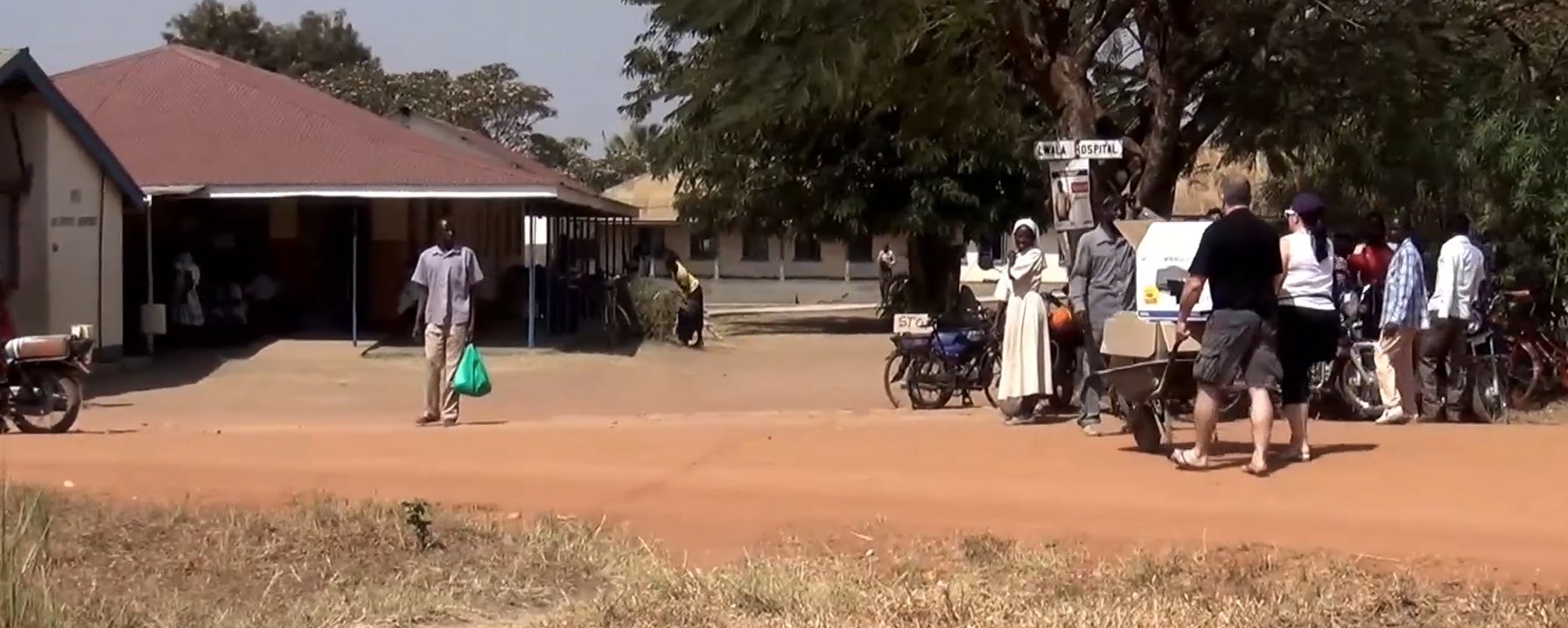
I asked Mary what they had wanted. She told me the young mother’s child was dying and urgently needed blood. The woman had already been to the hospitals in Soroti and Ococcia — five hours away by moped. Both had turned her away because they had no plasma. Now she was trying her luck at Lwala Hospital.
Since the parish house is the only building with electricity and therefore light, they had stopped to ask the way.
Helpless, though everyone wanted to help
Our whole team was there at once. Tüge even wanted to order a helicopter from Kampala at his own expense to fly plasma to Lwala. But how could that work? Even if we had somehow managed it, it would have taken at least five hours. For the baby it was a matter of minutes.
How desperate and lost that woman must have felt — riding for hours through rain and darkness with her dying child, searching for plasma.
There are moments when even I still have tears in my eyes.
Lwala, 9 January 2024 — an experience of Ingbert Dawen