Project description
Many women have to feed their often still small children alone. Widows are hit hardest: there is no support of any kind in Uganda, so these women and their children are entirely on their own.
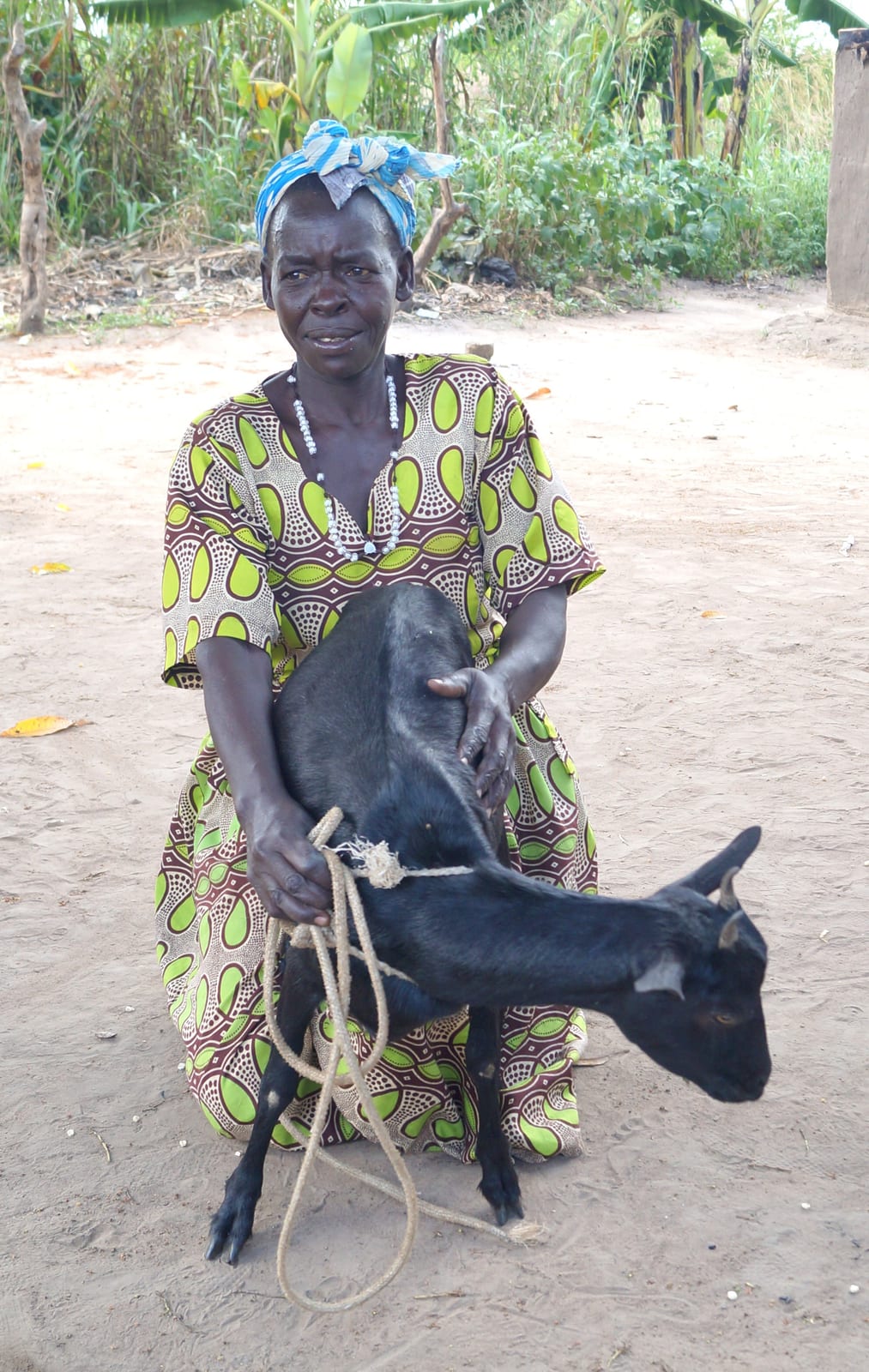
It helps to know that in the countryside goats and chickens are on a par with the local currency. There is hardly any cash in rural areas, so many a deal in Uganda is settled in numbers of chickens or goats. A goat is therefore not just food but wealth.
Project status
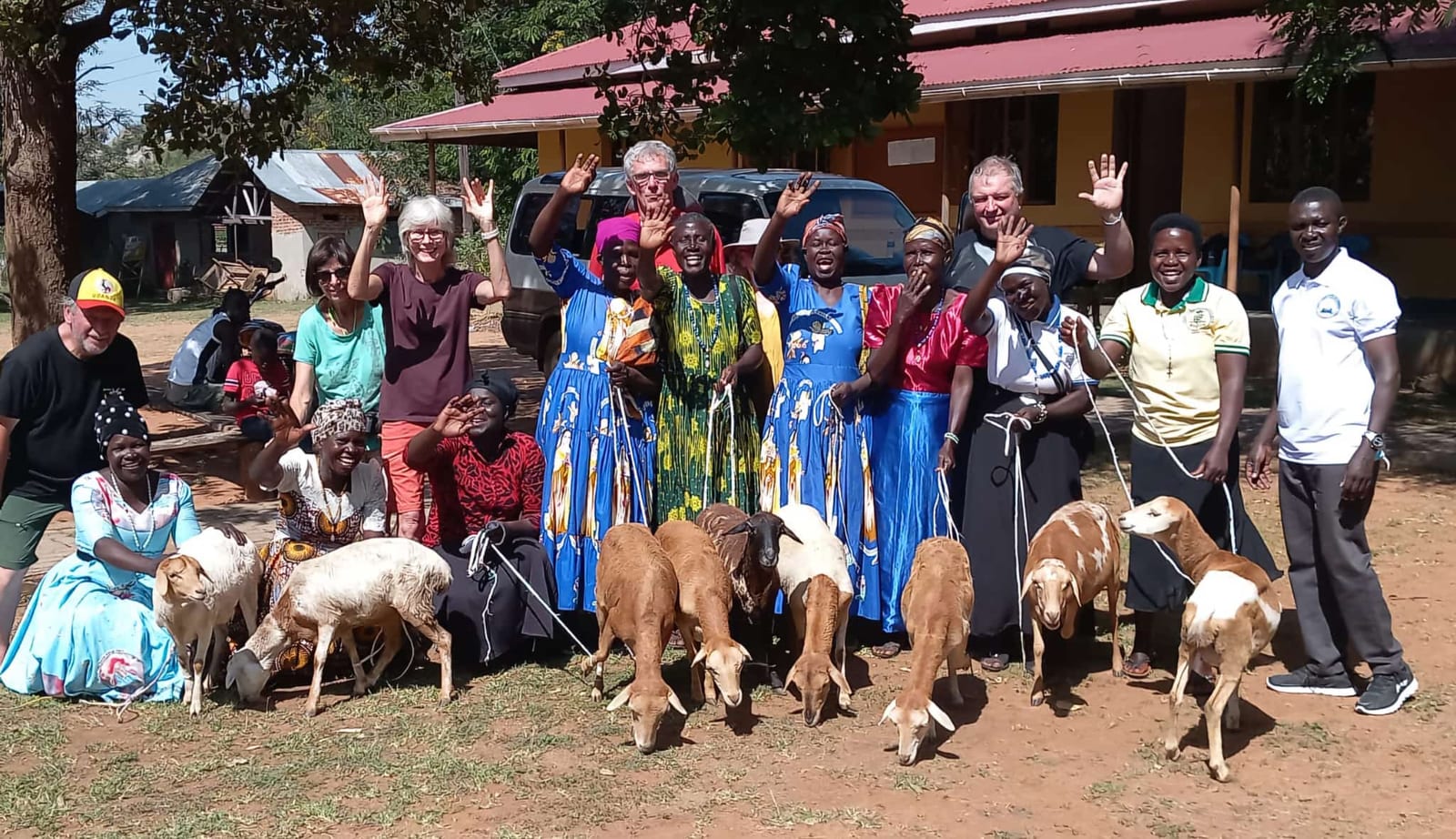
Since the project began in 2015 over 700 goats to widows and orphans in need in Lwala and Ngora be awarded.
In 2023 the project was extended to orphans. Many of the children we support received a goat for Christmas from their sponsors in Germany — this year alone there were 18 children.
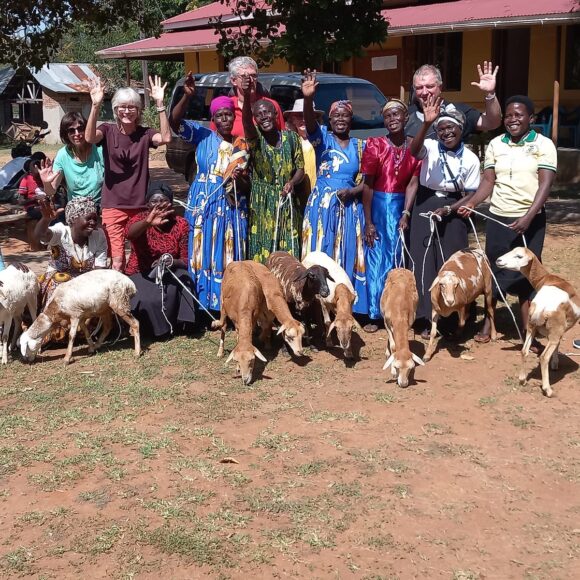
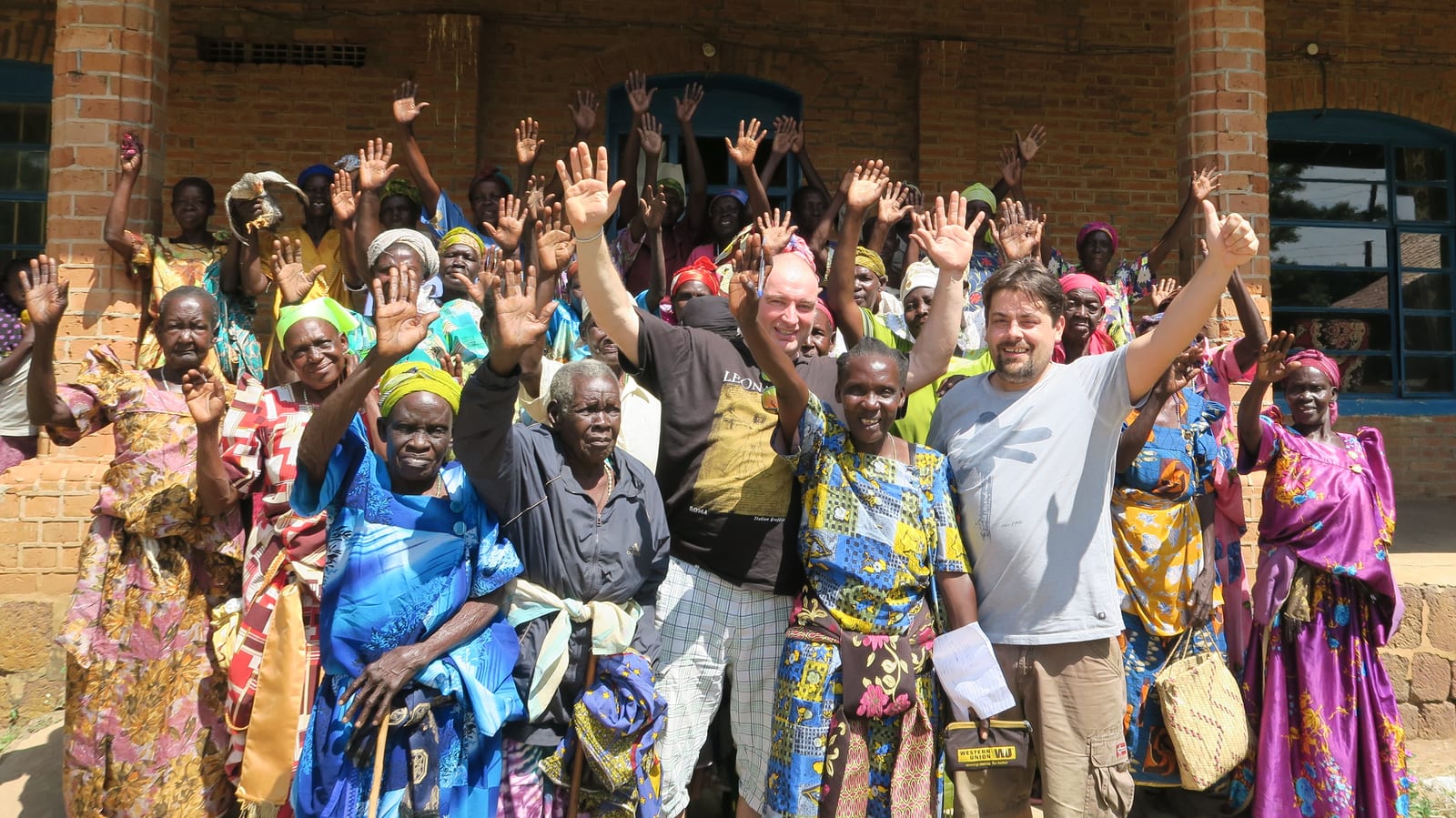
What began with a few goats has grown into a large project, so it was time to start another goat project in the community of Ngora. When the helpers arrived they were greeted with delight by the local women’s group and by their sponsored children.
Project background
In the countryside, goats and chickens are as good as cash — there is hardly any cash in rural areas, and many a deal in Uganda is settled in numbers of animals. A goat is therefore not just food but wealth.
For a widow without any state safety net, that is the difference between total dependence and a foundation of her own.
Implementation
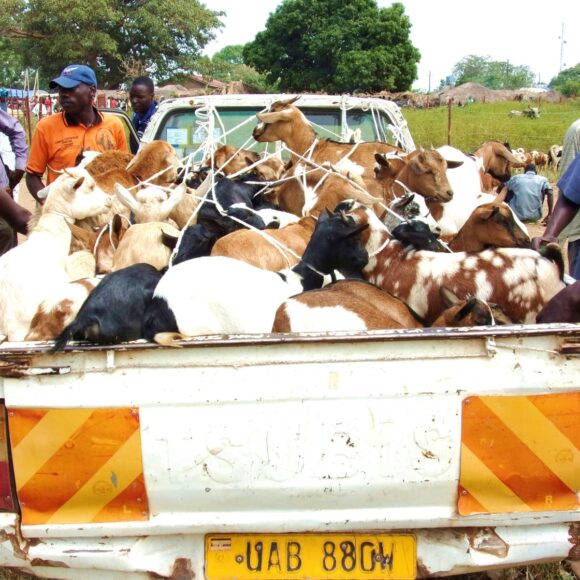
Donations are used to buy young female goats from local farmers — which also creates a source of income in the region.
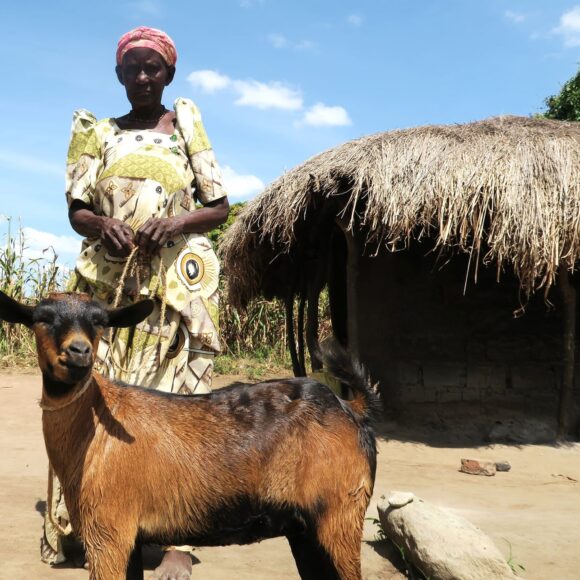
Every registered widow is given a goat. In return she brings the first-born female kid back into the project, and it is passed on to another person in need. That way the circle never closes.
Allocation, monitoring and return are overseen by our volunteers on site.
Get involved & support
Every donation is turned straight into animals and goes on working through generations of kids. Anyone wishing to support the project will find all the ways at Get involved & donate.
Acknowledgements
Our thanks go to everyone who has carried this project since 2015 — and to the women in Lwala and Ngora who keep it alive with great care.